

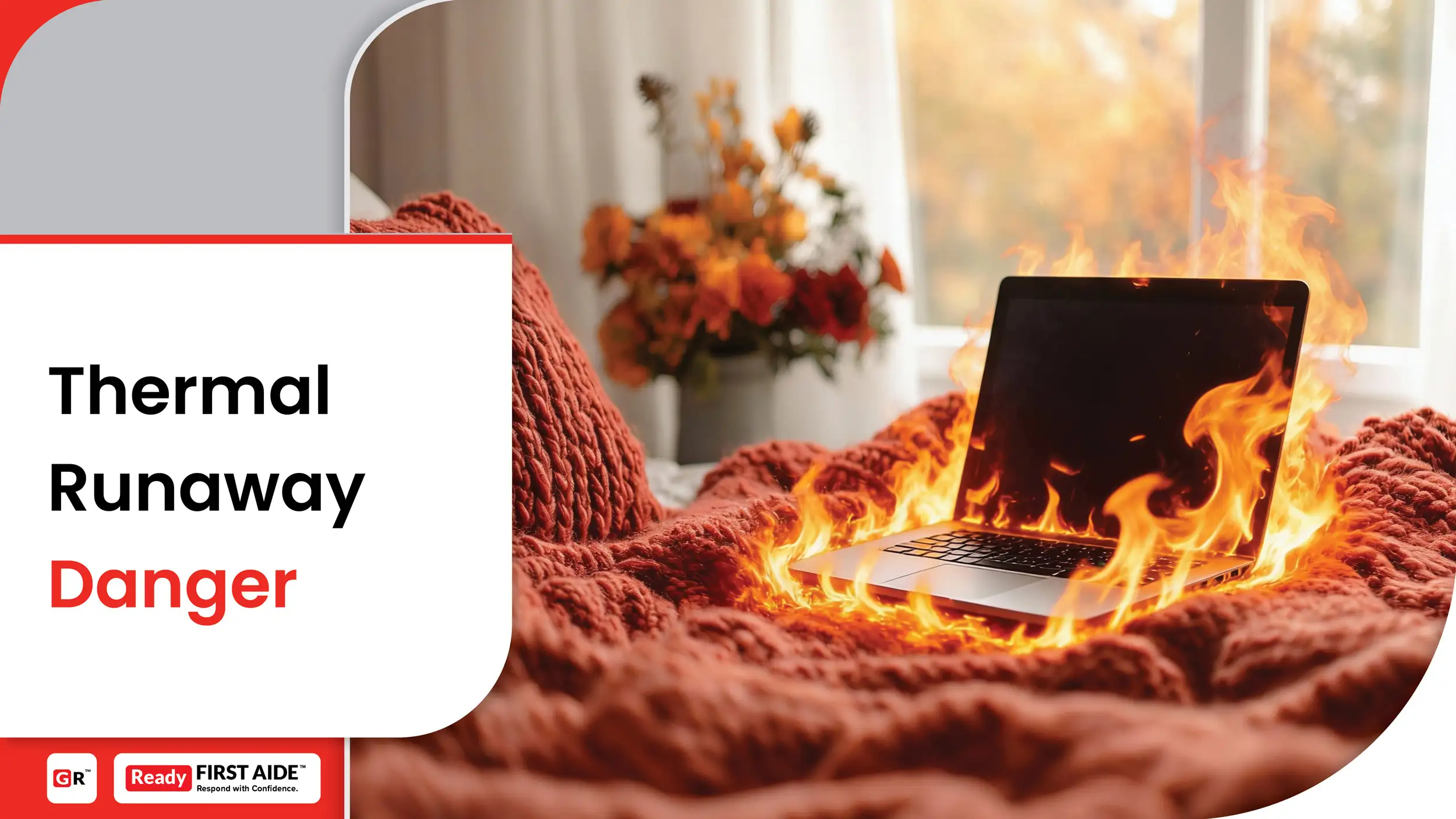
Home safety and fire prevention are essential topics for every household, especially as our homes become increasingly filled with electronic devices powered by lithium batteries. Recent reports, such as the article “Beware Thermal Runaway: Holiday Fire Safety Push Focuses on Battery Risks” from the London Free Press, highlight the growing concern about fires caused by lithium batteries and the phenomenon known as thermal runaway. As we enter seasons where portable devices, holiday decorations, and gifts are more prevalent, it’s crucial to understand these risks and adopt strategies to keep our homes and families safe.
Fires in the home can have devastating effects, resulting in property loss, injuries, and even fatalities. According to fire prevention experts, many home fires are preventable through awareness, preparation, and responsible use of technology. With the rise of lithium-powered devices—such as e-bikes, smartphones, laptops, power tools, and toys—new risks have emerged that require our attention. Understanding these risks and implementing a home emergency fire plan are vital steps in protecting your household.
Lithium batteries have become the standard for powering many of our favorite devices because they are lightweight, rechargeable, and efficient. However, they can pose significant fire risks if not handled properly. One of the most dangerous issues is called a “thermal runaway.” This occurs when a battery cell overheats, causing a chain reaction that leads to rapid temperature increases, fire, or even explosion.
Thermal runaway can be triggered by several factors, including:
The London Free Press article https://lfpress.com/news/local-news/beware-thermal-runaway-holiday-fire-safety-push-focuses-on-battery-risks emphasizes that incidents involving lithium batteries are on the rise, particularly during the holidays when new devices are introduced into homes and charging activity increases. Fire departments are urging the public to be vigilant, as a thermal runaway can occur suddenly and without warning, quickly escalating into a serious fire.
To reduce the risk of fire from lithium batteries and prevent thermal runaway, follow these safety guidelines:
If you suspect a device is overheating or see smoke coming from a battery-powered device, act quickly:
As technology continues to evolve, so do the risks associated with it. By understanding the dangers of thermal runaway and following best practices for lithium battery use, you can significantly reduce the risk of fire in your home. Combine these precautions with a robust home emergency fire plan and regular safety drills to ensure your family is prepared to respond effectively in an emergency.
Fire prevention is everyone’s responsibility. Stay informed, stay prepared, and keep your home safe for everyone.
Preparation is key to minimizing the risks and impact of a home fire. Every household should have a well-communicated and practiced emergency fire plan. Here are the essential steps for creating your plan:


We use cookies to provide you with a great experience and to help our website run effectively. By accepting, you agree to our use of cookies. Learn more